Northern Virginia
Lead Abatement
Permanent removal or encapsulation of lead-based paint hazards in pre-1978 homes and buildings.
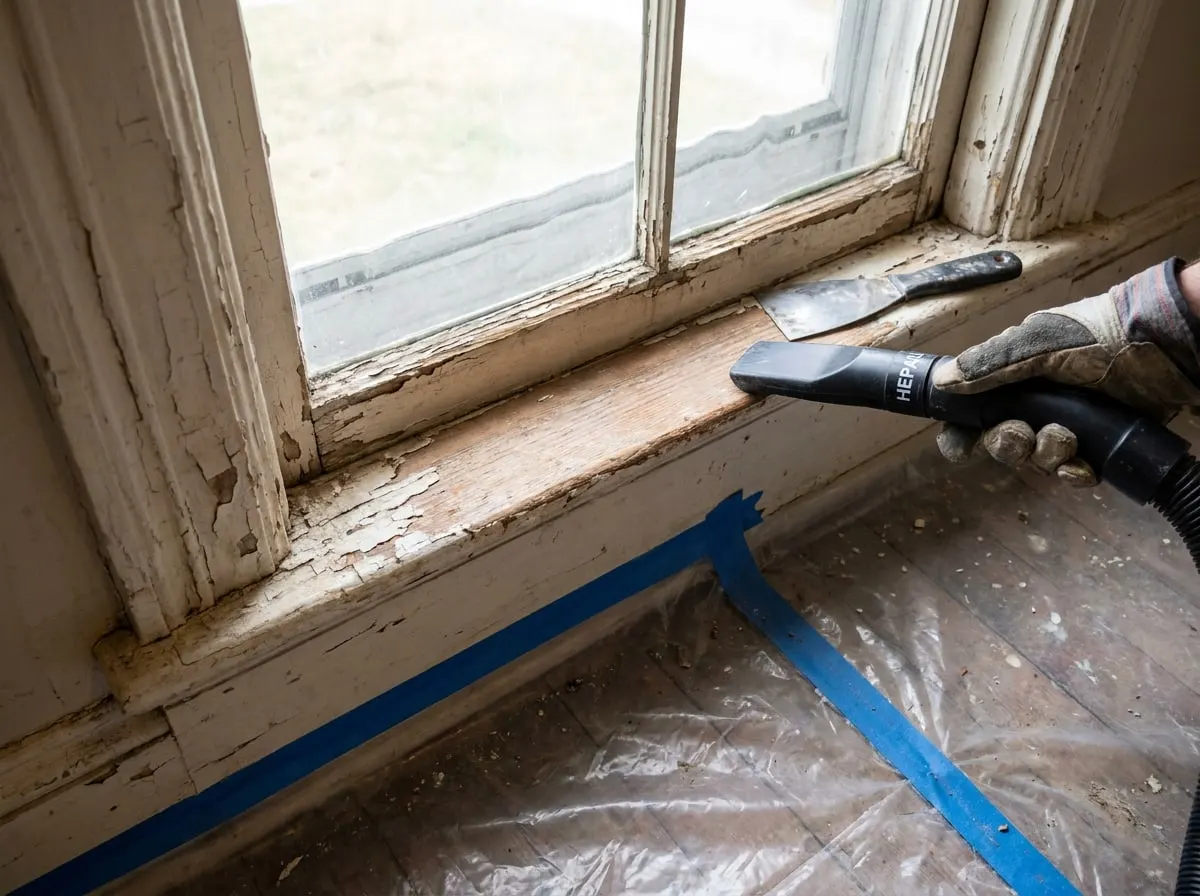
Any home built before 1978 may contain lead-based paint. As it ages, it chips, chalks, and turns to dust, especially on windows, doors, stairs, and porches where surfaces rub together. That dust is the main way children are exposed to lead, and there is no safe level of exposure.
Our crews eliminate lead hazards with containment, dust-control methods, and HEPA cleanup, then verify the work with clearance testing so you know the space is safe for the people who live or work in it.
Lead Abatement at a glance
- Applies to
- Homes and buildings built before 1978
- Methods
- Removal, encapsulation, enclosure, or component replacement
- Clearance
- Dust-wipe samples lab-tested before re-occupancy
- Service area
- Northern Virginia (Loudoun County, Fairfax County, Prince William County and more)
- Call 24/7
- 888-338-7995
When to call about lead
- Peeling, chipping, or chalking paint in a pre-1978 home
- Old windows, doors, and trim that stick, rub, or create dust
- Deteriorated exterior paint on siding, porches, and railings
- A child with an elevated blood lead level
- Renovating, selling, or renting out an older property
Our process
- 01
Identify hazards
A certified inspector or risk assessor tests painted surfaces, dust, and soil to show where the lead hazards are.
- 02
Choose a method
Depending on the surface, we remove, encapsulate, or enclose the paint, or replace the component, such as an old window or door.
- 03
Contain
Work areas are sealed with poly sheeting, and occupants and belongings are kept out of the work zone.
- 04
Control dust
We use wet methods and HEPA-equipped tools. No dry sanding, power washing, or open-flame burning.
- 05
Clean
Every surface is HEPA-vacuumed and wet-cleaned in a specific sequence to capture settled dust.
- 06
Clear
Dust wipe samples are collected and lab-tested, and the area is re-occupied only after it passes.
Before & after
More of our work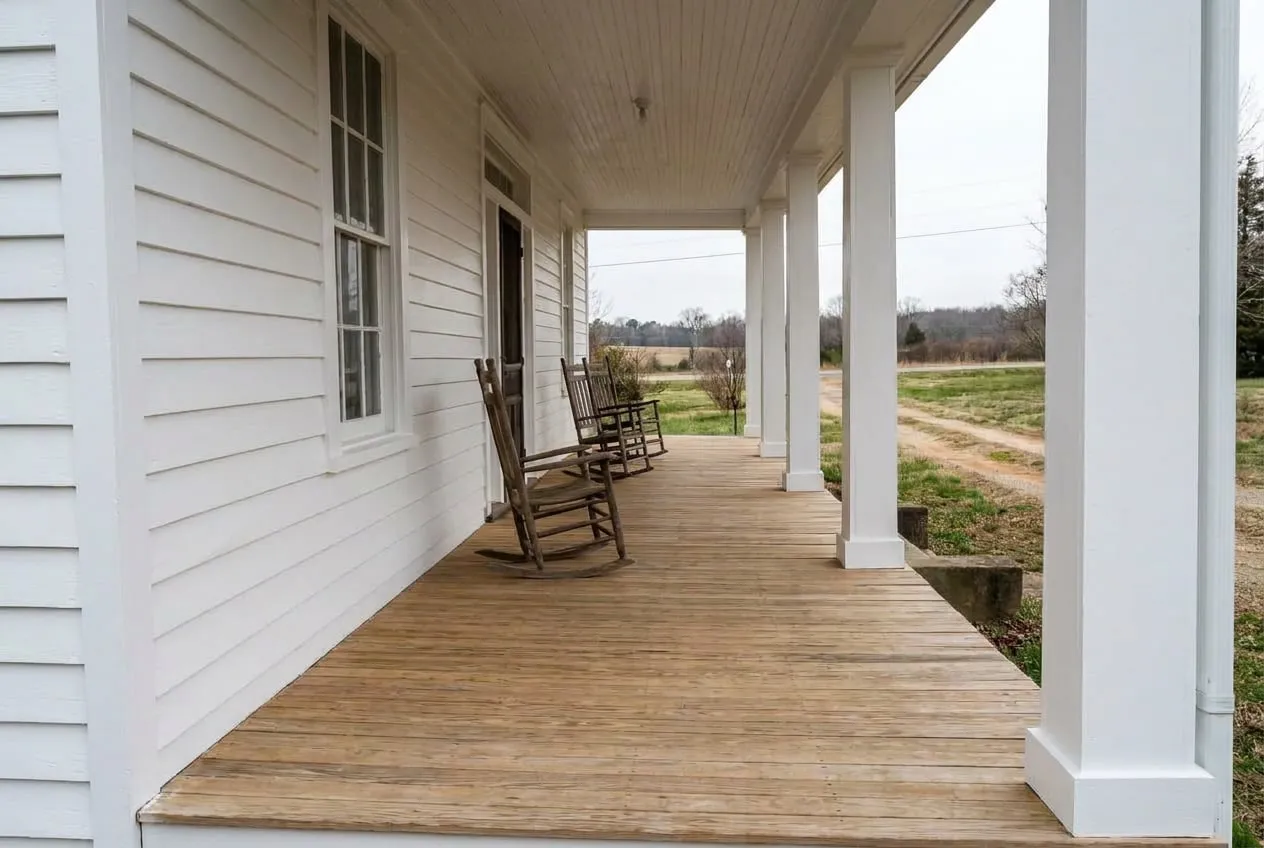
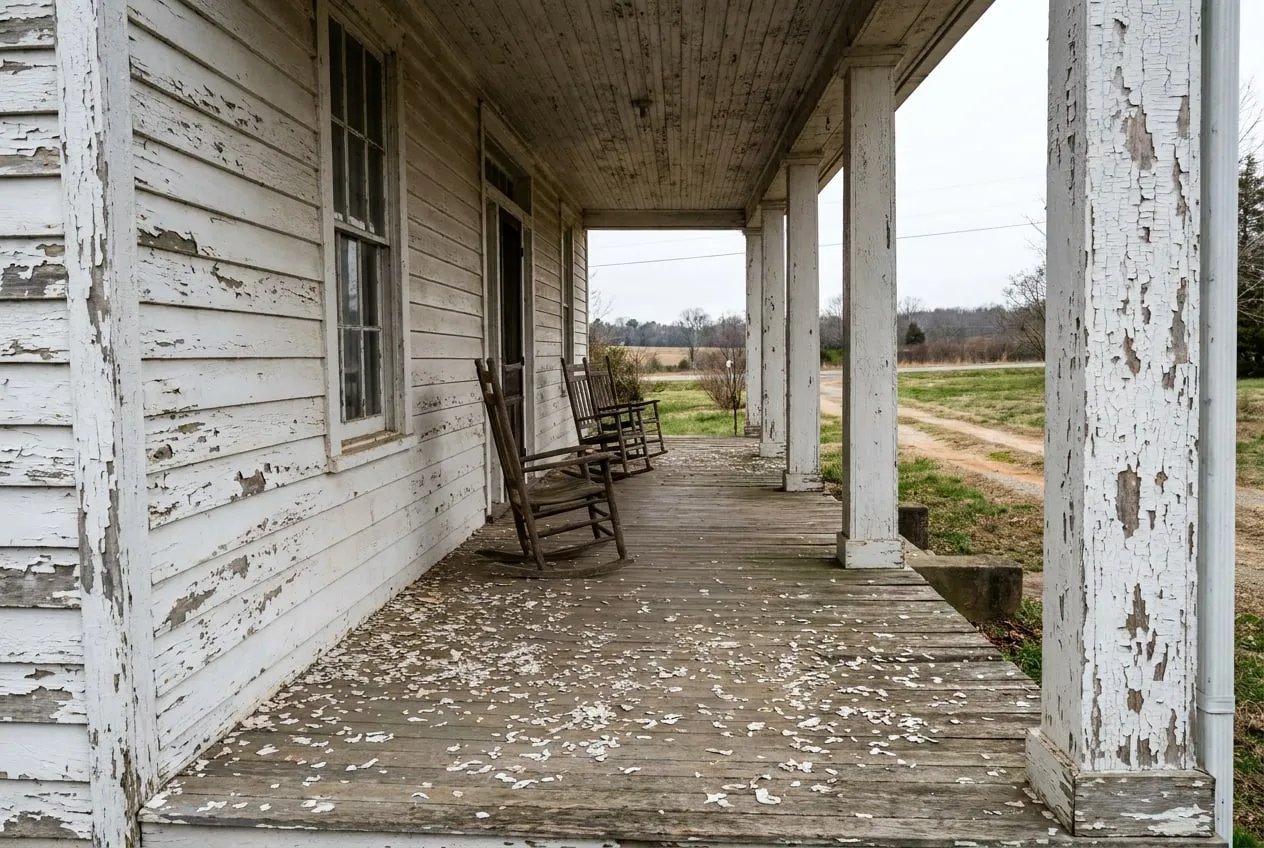
Failing lead-based paint on siding, trim, and columns. Stabilized with lead-safe methods, cleared, and repainted.
Illustrative exampleBefore we arrive
What to do right now
- Keep children and pregnant women away from peeling paint and dust.
- Do not dry-sand, scrape, or heat-gun old paint.
- Wet-wipe windowsills and floors instead of sweeping.
- Wash children’s hands and toys often.
Lead Abatement FAQ
Questions we hear most.
01 What is the difference between lead abatement and lead-safe renovation?
Lead-safe renovation (the EPA RRP rule) covers contractors who disturb lead paint while doing other work. Abatement is work designed to permanently eliminate lead hazards. Both require containment and careful cleanup, but abatement ends with clearance testing.
02 How do I know if my paint contains lead?
A certified inspector can test painted surfaces on site with an XRF analyzer or collect paint chips for a lab. Homes built before 1978 should be tested before any work that disturbs paint.
03 Can we stay in the house during lead abatement?
Sometimes, if the work area can be fully isolated. Children and pregnant women should stay out of the house until the area passes clearance. We will plan this with you.
04 Is encapsulation as good as removal?
For surfaces in good condition that are not subject to friction or impact, encapsulation is a durable, lower-cost option. Friction surfaces such as windows are usually better removed or replaced.
Related services
- ASB Asbestos Abatement Contained, regulation-compliant removal of asbestos insulation, flooring, ceilings, siding, and more. Learn more
- MLD Mold Remediation Containment, removal, and cleanup of mold growth, along with the moisture problem that caused it. Learn more
- BIO Biohazard Cleanup Safe removal and disinfection of blood, bodily fluids, sewage, animal waste, and sharps. Learn more
24/7 emergency response
Something hazardous? Don’t wait on it.
Call our 24/7 line and talk to someone who can help right now, or send a request and we will get back to you quickly.